





Explore celebrity activism & its strategic impact on social causes. Should celebrities speak out on political issues? We analyze algorithmic leverage, the risk of cause-washing, and how public figures can protect their legacy.
Speaking out on polarizing political and social issues is no longer merely a moral choice for a public figure—it is a high-stakes communications strategy. While the algorithmic dominance of celebrities can dramatically amplify democratic movements and grassroots activists, entering the political arena carries immense reputational risk. From the fear of “cause-washing” to the trap of infinite advocacy, every public figure requires precise Strategic Positioning to navigate the discourse effectively. Simultaneously, the digital audience must reevaluate its criteria, breaking the habit of prioritizing an impossible standard of pure authenticity over tangible moral and social impact.
We operate in an era of extreme digital and social polarization. Whenever a major domestic crisis or geopolitical conflict dominates the news cycle, the public gaze instinctively turns toward those with the highest cultural capital: celebrities, athletes, artists, and corporate leaders. The collective demand is absolute: “Use your platform. Take a stand.”
However, the modern public square is a reputational minefield. Managing the image of a leader or artist with millions of followers requires highly complex strategic maneuvering, as the rules of engagement have fundamentally shifted. The question is no longer simply whether a high-profile individual should speak out, but how they can do so without dismantling their political and professional equity.
The true value of celebrity activism in the digital age
The algorithmic supremacy & Molly Jong-Fast’s argument
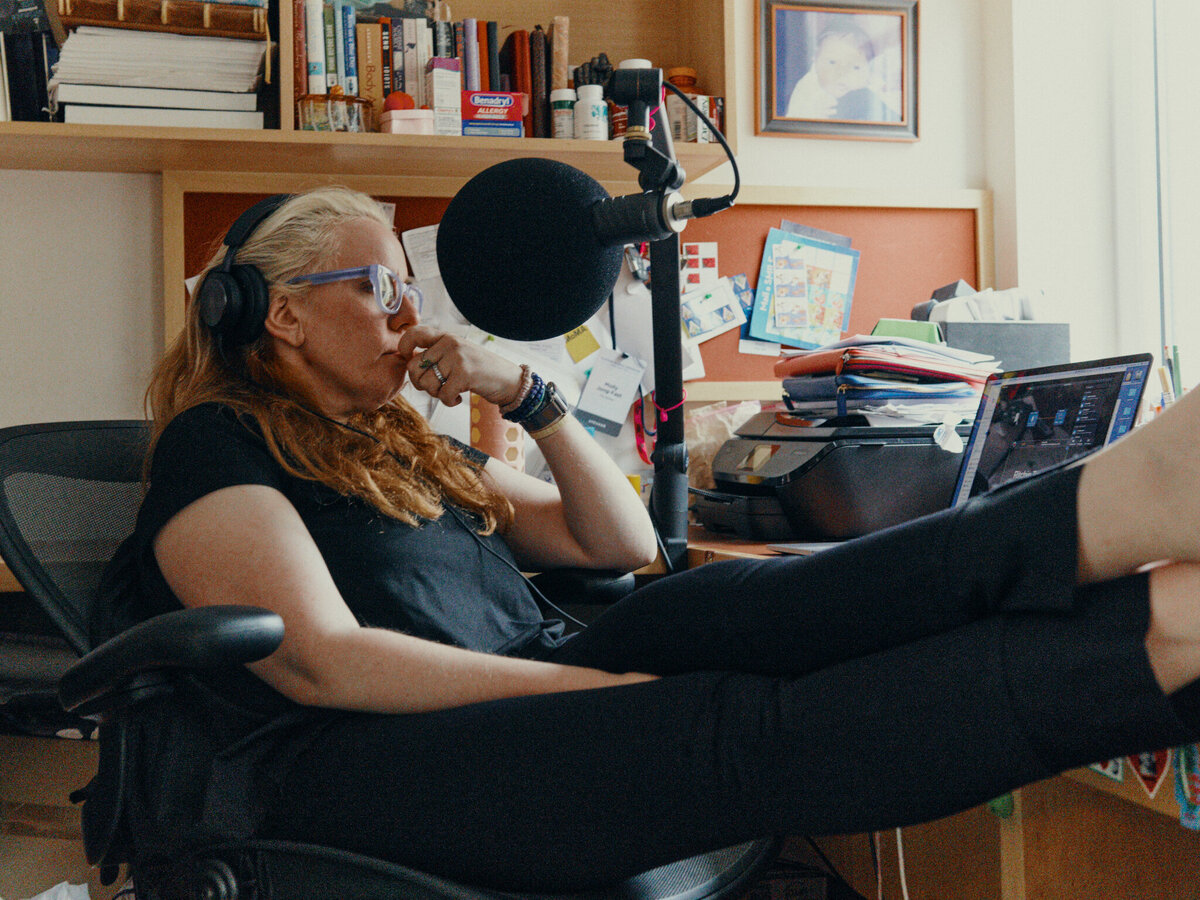
To truly understand the pressure applied to public figures, we must examine the recent commentary by Molly Jong-Fast in The New York Times (June & July 2026). In her essays exploring celebrity activism and public protests, Jong-Fast lays out a pragmatic, data-driven argument: Celebrities have an obligation to step up and defend democracy precisely because they possess the ultimate modern weapon—control over the algorithm.
According to Jong-Fast, “performative politics”—the public, sometimes surface-level display of support for a cause—actually serves a vital operational purpose when executed by famous individuals. The reasoning is rooted in cold tech mechanics: the algorithms governing platforms like Instagram and TikTok are inherently designed to prioritize fame, clout, and existing engagement.
When an everyday political activist shares a link for voter registration or a protest location, their reach is organically capped by the platform. But when an A-list actor with 50 million followers shares that same link, the algorithm heavily favors it, boosting the message into millions of feeds. Jong-Fast correctly identifies that this “borrowed power” is an invaluable asset for organizers on the ground. Furthermore, she argues that there is safety in numbers: if enough cultural icons lend their massive audiences to a cause, it becomes structurally impossible for any political administration to silence them all.
The anatomy of silence: Why fear dictates the narrative
If algorithmic leverage is so powerful and the moral imperative so clear, why do so many prominent figures choose a deafening silence? Jong-Fast acknowledges that many avoid politics out of fear of government retribution or damage to their business empires.
As Strategic Communications Consultants, we see the true anatomy of this fear every day. It is not just the anxiety of losing corporate sponsors or alienating a demographic (the adage that “Republicans buy sneakers, too”). The ultimate nightmare for a celebrity today is the ruthless, hyper-critical nature of digital culture itself.
1. The threat of “cause-washing”
When a celebrity takes a stance, the internet rarely responds with unconditional applause. The default public reaction is deep suspicion. Audiences immediately ask: “Are they doing this because they truly believe in the cause, or because their PR team told them it would look good?”
This phenomenon, often referred to as cause-washing (or wokewashing), acts as poison to a personal brand. Users will relentlessly audit the celebrity’s past, unearth old tweets, and scrutinize their corporate investments to see if they practice what they preach. If the slightest discrepancy is found, the public statement violently backfires. The celebrity is no longer accused of mere apathy; they are convicted of hypocrisy—a PR sin that is notoriously difficult to survive.
2. The infinite advocacy trap
Herein lies the most dangerous communications trap of all. Let’s say an artist overcomes their hesitation, leverages their platform, and passionately defends human rights in a specific region. The very next week, a different crisis erupts on another continent, or a new domestic scandal breaks.
If the artist does not immediately post about this new issue, the audience weaponizes their previous activism against them: “Why did you speak about Issue A, but you are silent on Issue B? Do the lives of people in Issue B not matter to you?”
This is the digital manifestation of Whataboutism. Taking a stand once creates a binding public expectation of continuous, uninterrupted advocacy. The celebrity inadvertently becomes an unofficial spokesperson for every global tragedy. Because it is humanly impossible to possess the bandwidth, nuanced understanding, or emotional capacity to speak authoritatively on every global crisis, they will eventually stay silent. And in the eyes of the internet, that silence is framed as complicity. This paralyzing dynamic is the primary reason elite public figures often refuse to open the door to political commentary in the first place.
When authenticity sabotages ethics
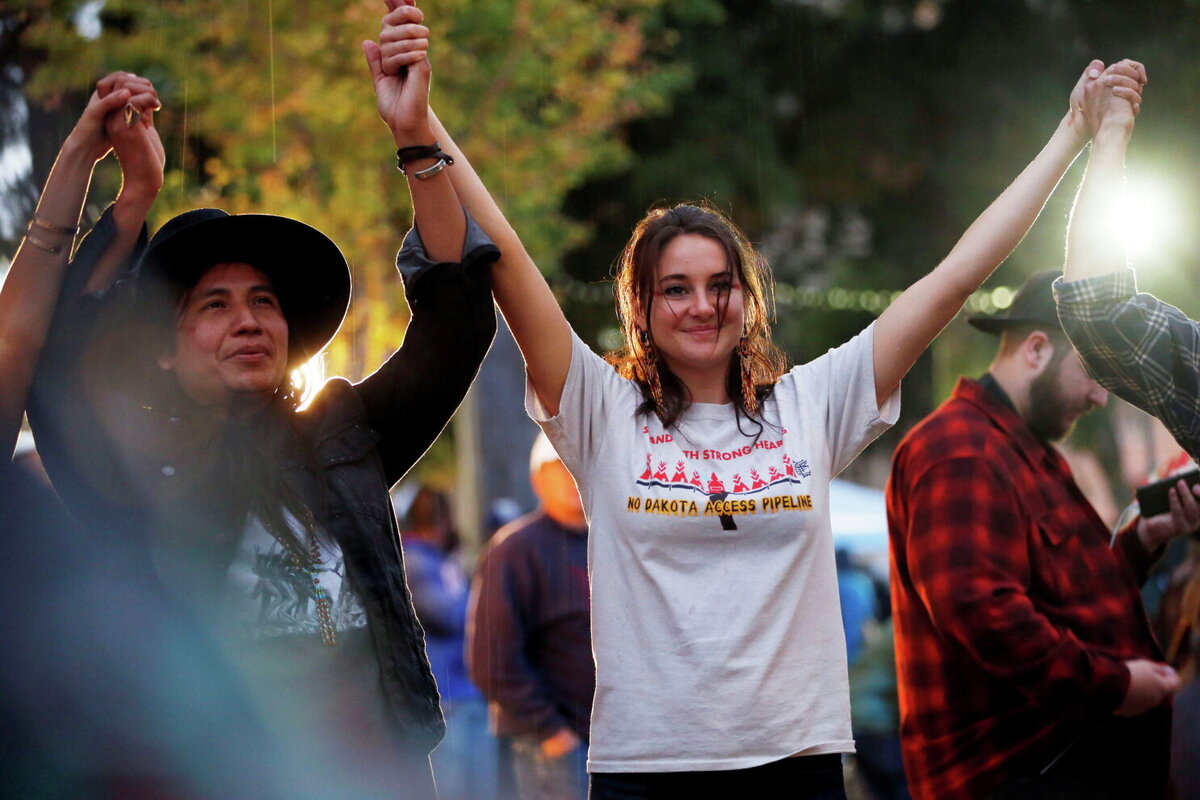
If we want public figures to act as accelerators for democracy and social justice, the digital audience must accept its own share of responsibility. Currently, we are witnessing a deeply problematic social paradox: The public ranks ideological “authenticity” higher than actual ethical utility and impact.
Modern digital culture demands absolute ideological purity from its cultural icons. It demands that they have read the entire academic bibliography on a subject, that they possess a flawless historical record, and that they articulate their views with perfection.
Let’s be brutally honest: Absolute authenticity in mass communication is a myth.
If an A-list star creates a video that directly results in 50,000 new voter registrations, does it truly matter if their initial motivation was slightly “performative” or if it was entirely scripted? The result is what matters. The practical, measurable impact on society holds infinitely more value than the individual’s internal, subjective motivations.
As long as the public acts as an ideological auditor—punishing anyone whose advocacy is less than perfect—they will successfully deter influential people from participating in the democratic process. We must actively lower the bar for ideological purity so we can raise the bar for collective action.
Celebrity activism does not require polarization
It is vital to acknowledge that high-stakes political activism is not for every celebrity. Taking a stand does not inherently mean diving into highly sensitive, polarizing geopolitical minefields. If navigating those waters does not align with your public profile, you can still use your platform for the greater good by championing a simple, universally beneficial cause—such as recycling, animal welfare, or local community initiatives. The objective is to demonstrate that your voice serves a purpose beyond self-promotion. However, the strategic rule remains absolute: whatever cause you choose to highlight, you must be thoroughly educated on it. Shallow engagement, even on a safe topic, will instantly register as inauthentic. Pick your corner, do the reading, and master the subject matter.
How to take a stand without destroying your legacy
1. Define your core pillars
You cannot be an activist for everything. Before a crisis ever emerges, define 2 or 3 central pillars of social action that organically align with your history, your brand, and your authentic values (e.g., climate change, mental health, gender equality). When a volatile issue arises outside these specific pillars, you have the strategic and moral cover to remain silent, allowing subject-matter experts to lead the conversation.
2. Amplify, don’t center
The most common mistake celebrities make is placing themselves at the center of the narrative. If you want to help, use the algorithmic advantage Molly Jong-Fast identified to amplify the voices of those on the front lines. Do not record a tearful monologue staring into your front-facing camera. Instead, hand your account over to a grassroots activist or share resources only from vetted organizations. This immediately neutralizes any accusations of narcissism or performative clout-chasing.
3. Action speaks louder than graphics
Reposting a sleek infographic on your stories is no longer sufficient; it is considered the absolute bare minimum. If you want your stance to be bulletproof against critics, back it up with tangible action. A significant donation to a legal defense fund, a physical presence at a rally, or the deployment of your corporate resources to aid an NGO transforms “performative PR” into measurable Social Impact.
4. Brace for the backlash
The moment you take a definitive stand, you will mathematically alienate a segment of your audience. But in high-stakes branding, universal approval is the enemy of influence. If you want to achieve true, deep resonance with your core audience, you must be entirely comfortable with the fact that some people will actively dislike you. It is unavoidable. If you succumb to initial panic, delete the post, or start apologizing excessively in the comment section, you project weakness and lose the respect of both your supporters and your detractors.
The strategic takeaway

Political and social advocacy in the digital age requires a strong stomach. Molly Jong-Fast is entirely correct: modern democracy desperately needs the algorithmic firepower of celebrities. However, the arena of social media is unforgiving.
For a public figure, taking a stand is an act of leadership that requires robust PR engineering to ensure it doesn’t devolve into a reputation-ending crisis. For the public, a shift in maturity is required: an acceptance that politics is not a contest of flawless moral purity. If we truly want to harness the massive influence of cultural icons for the greater good, we must afford them the grace to contribute—even if their execution isn’t always perfect.
Let’s Go Upper!
If you are looking to protect your personal brand and navigate the complexities of public advocacy safely, connect with UpperComms.