





Explore the celebritization of politics: How politicians are built like celebrities. Pop culture, memes, and the contemporary moment in presidential elections.
In today’s media-saturated world, the distinction between celebrity and political leader is increasingly unclear. The celebritization of politics means that politicians now rely on personal branding, narrative, and emotional appeal to succeed, often more than on ideology or policy positions.

Key Takeaways:
- Celebritization of politics is real: Modern politics increasingly blends with celebrity culture, shifting power toward personality-driven narratives.
- Narrative beats policy: Authentic storytelling and emotional connection often matter more in shaping public opinion than ideological detail.
- Media is an ecosystem: Television, social media, and entertainment platforms collectively amplify a politician’s persona, requiring integrated strategic use of all channels.
- Branding boosts and risks: Celebrity-style branding greatly extends reach and engagement, but any personal scandal or misstep instantly threatens the entire political brand.
- Crisis is personal: When the politician is the brand, reputation crises become about trust in the individual, making management more delicate and urgent.
- Fandom fuels campaigns: Enthusiastic supporter communities, treating candidates like pop icons, can amplify messages but they also demand continuous engagement and can polarize discourse.
- Strategic system, not shown: Success lies in a holistic communications system that aligns messaging, media, and long-term reputation-building, rather than one-off content.
This article explains how these trends are reshaping political power, reputation, and crisis management.
What is the Celebritization of Politics, and how are politicians built like celebrities?
Celebritization of politics refers to the process by which politicians are presented and perceived as celebrities. In this new paradigm, persuading the public is driven by the machinations of celebrity (multi-platform presence, personal storytelling, and emotional appeal) rather than by policy debates alone. A recent media analysis describes this as politics where “persuading publics of ideas… is driven by, and indistinguishable from, the machinations of celebrity”. In practice, that means political figures cultivate personas through TV appearances, social media, and partnerships with entertainment stars.
This shift has several causes. In our era of mass media and social platforms, audiences expect a human connection more than ever. A politician can reach millions through a viral video or talk show, bypassing traditional party structures. Pop culture logic now applies to politics: charisma, authenticity and a compelling backstory often win attention more than party manifestos. As one communications study notes, the realms of celebrity and politics have become “particularly intertwined” in the contemporary moment. In short, modern politics has been reshaped by celebrity culture: candidates must build their brand and engage fandom, not just push policies.
How Do Personal Narrative and Emotion Drive the Celebritization of Politics?
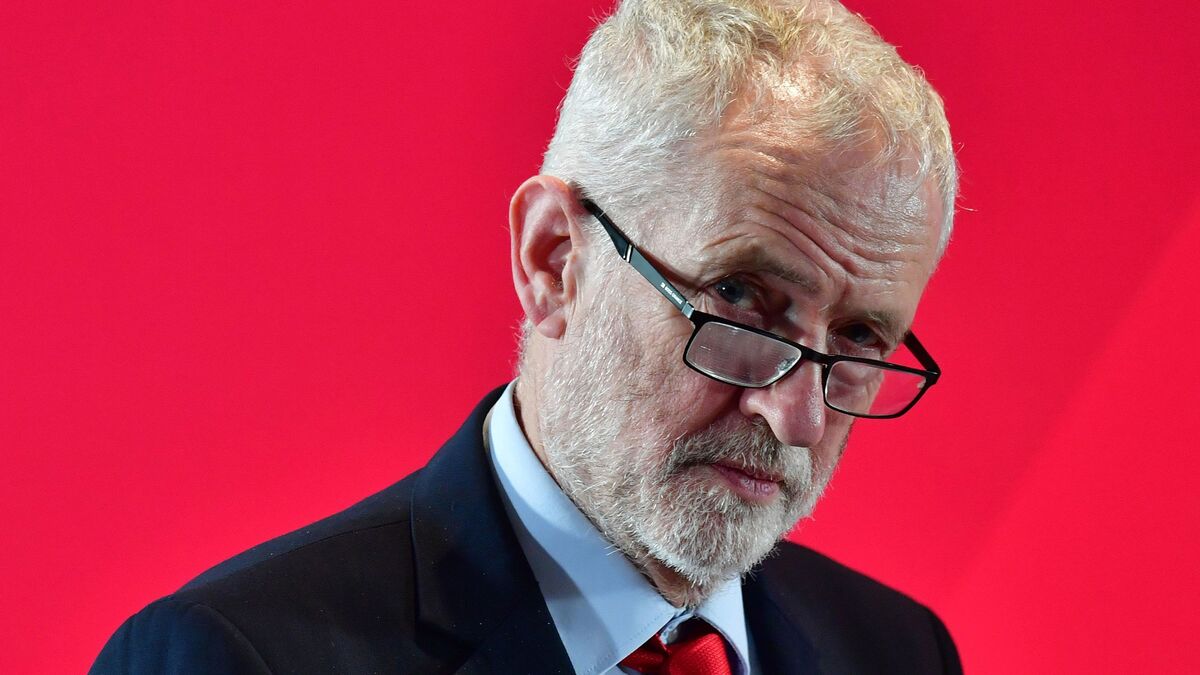
In today’s constant media cycle, emotion and personal narrative often outweigh policy and ideology in attracting voters. Supporters form attachments to politicians that resemble connections to performers, making detailed policy less central. A compelling narrative (such as a humble beginning or personal triumph) becomes central to a politician’s appeal. For example, Barack Obama’s 2008 campaign emphasized his story of hope and change, uniting supporters around his inspiring persona as much as his policies. This form of politics relies on emotional resonance and memorable narratives over substantive debate.
This trend exists across political groups. For example, British Labour leader Jeremy Corbyn attracted young voters through social media memes and pop culture references, building grassroots engagement. Rivals who focused on policy slogans saw less enthusiasm. Internationally, Indian Prime Minister Narendra Modi highlighted his background as a tea seller and used technology and media events to build his image, often collaborating with public figures to gain greater exposure. These approaches show personal branding and emotional resonance at work in contemporary politics.
When narrative and emotion dominate, political competition shifts away from broad party platforms and toward personal popularity. Politicians focus more on relatability and authenticity than on detailed policies. As a result, the public’s understanding of politics increasingly depends on stories and personalities, changing the nature of political debate and engagement.
How Does the Media Ecosystem Turn Politicians into Celebrities?
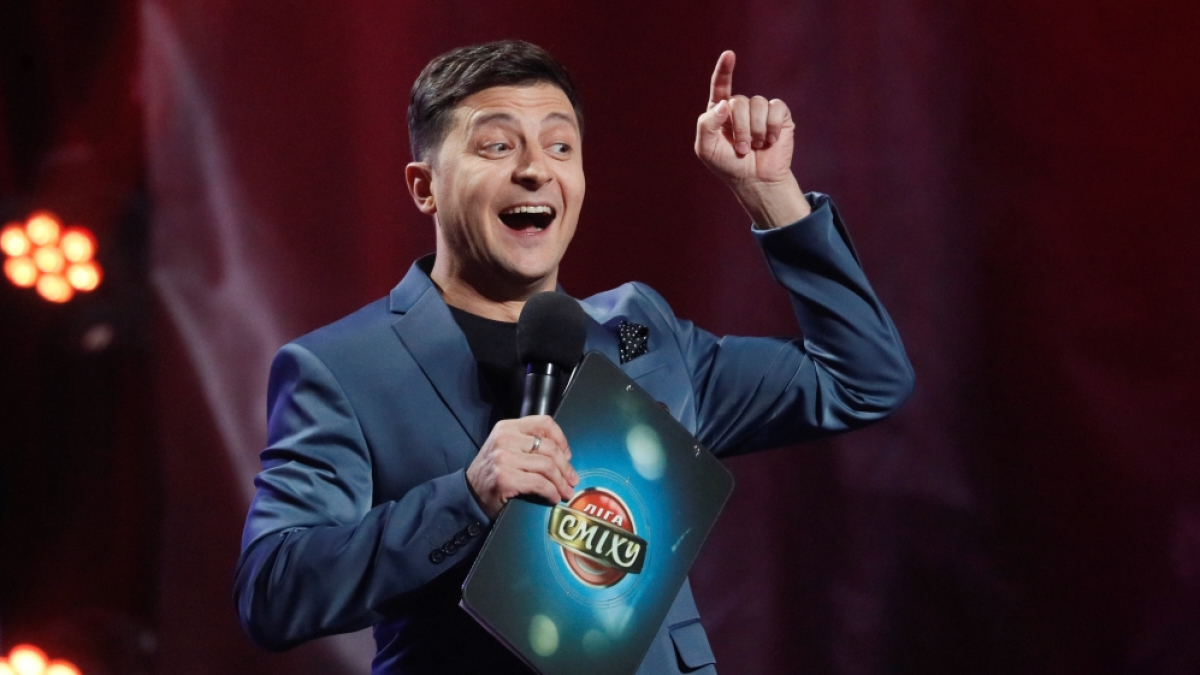
Television, social networks, and talk shows form an ecosystem that actively shapes political personas. Gone are the days when leaders only communicated through speeches or press conferences. Now they appear on mass media platforms from late-night talk shows to reality programs, often blurring politics with entertainment. For instance, Donald Trump famously turned his reality TV fame into a political brand. His knack for headlines and televised drama gave him celebrity status that translated into a loyal following. Similarly, Ukrainian President Volodymyr Zelensky was a comedian before taking office; his celebrity roots helped him stage-manage public perception and harness social media to rally support.
Social media platforms like Twitter, Instagram, and TikTok further amplify this effect. Politicians can now perform for global audiences in real-time. A single tweet or short video can shape public opinion overnight. Performative moments – from staged photo-ops to viral memes – dominate the narrative. Television and cable news also play a major role: 24-hour coverage of a politician’s every gesture makes personality a headline in itself. For example, a TV appearance on a popular talk show can humanize a politician (or sometimes backfire if mismanaged).
In this media-driven environment, content is king and context is queen. Personal stories and visuals get more airtime than abstract policy discussion. The media and cultural shift means political power is partly held by whoever can create the most compelling headline and image. For campaign teams, this ecosystem multiplies exposure and the signals that need to be managed. UpperComms notes that politicians today must view media platforms as part of a strategic communications system, not just places to broadcast content. Every tweet or TV spot becomes a move in a complex game of visibility and meaning.
What Are the Benefits and Risks of the Celebritization of Politics?
Using celebrity branding can broaden a politician’s reach. Charismatic leaders receive media attention and attract larger audiences. For instance, campaign collaborations with entertainers or public figures have helped politicians appeal to younger voters. A recognizable persona makes messaging more memorable, and people are more likely to support campaigns to which they feel connected. Overall, celebrity-style branding increases influence and visibility.
However, there is a hidden reputation risk to this strategy. When the politician is their own brand, any personal flaw or misstep instantly threatens the entire image. In a celebrity, a scandal (whether ethical, personal, or simply a gaffe) becomes front-page news. For instance, when a politician known for charisma falls from grace, voters can feel personally betrayed. The risk is amplified when traditional credibility (such as experience or expertise) takes a back seat to style and personality. A negative rumor or a misinterpreted statement can spiral into a full-blown crisis because the public sees the politician not as an office-holder but as a superstar.
Moreover, celebrity branding often skips over details. Big-picture sloganeering (“Make X Great Again”) resonates broadly but leaves unanswered policy questions. This amplification of style over substance can cause problems later. Opponents and media probe deeper, looking for inconsistencies. When the facade cracks, credibility suffers more than it would for a traditional politician, because people might accuse the brand of being all show.
The Clebritization of Politics introduces reputational risks. Political followers can become highly devoted, intensifying support or backlash. For example, controversies involving President Trump’s tweets caused strong reactions from supporters online, fueling conflict. Thus, celebrity politics increases engagement but magnifies the impact of every public move.
How Do Fandom and Personal Appeal Influence Modern Campaigns?
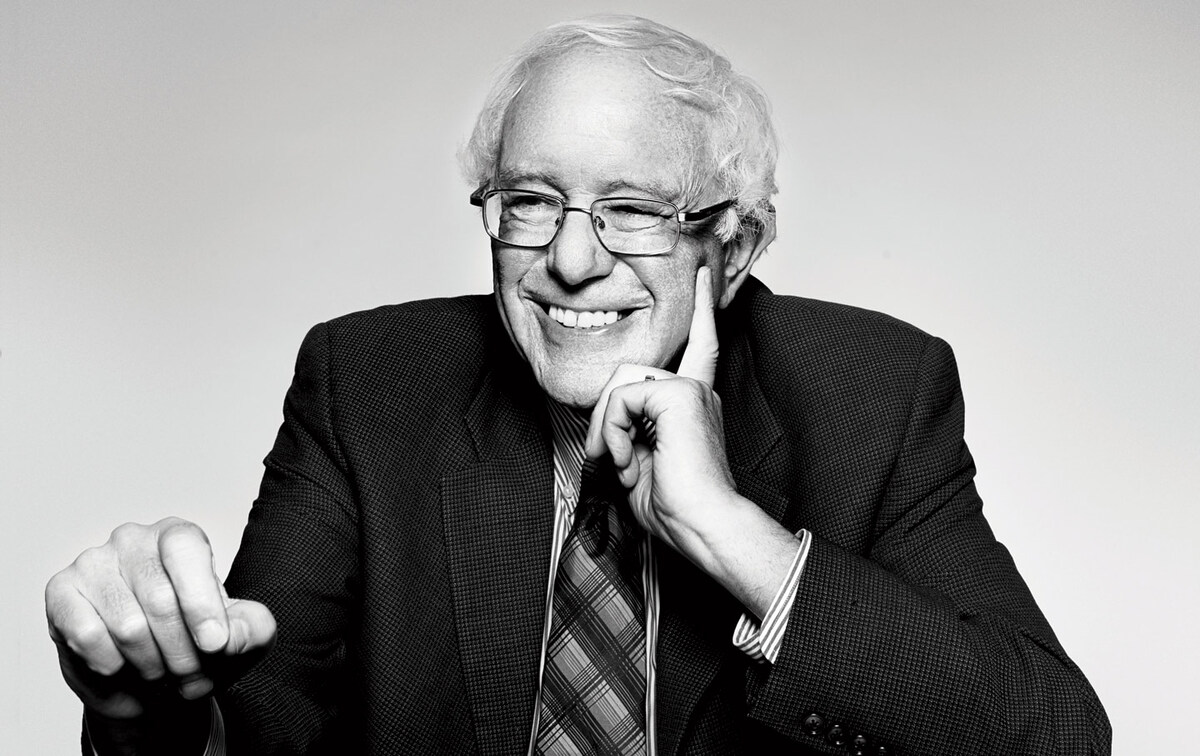
Politicians now often court fans rather than mere voters. Campaigns recognize that engaged supporters – think concert-like rallies and viral social media groups – create a multiplier effect. When a candidate is treated like a pop star, supporters share their enthusiasm like fans do, spreading messages through memes, hashtags, fan art, and passionate debate. The concept of political fandom is studied in audience research, which notes that people can exhibit fan-level dedication to causes and candidates.
For example, U.S. Senator Bernie Sanders cultivated a fierce fandom among younger progressives. Even though Sanders ran on policy, his honest and consistent persona turned supporters into fan communities, coining phrases like “Feel the Bern” like a rock concert chant. Similarly, Alexandria Ocasio-Cortez harnessed social media to become a celebrity-politician, holding livestream “Ask Me Anything” sessions that felt interactive and fan-engaging. Their campaigns leveraged this organic enthusiasm to amplify their messages beyond their own networks.
This fandom effect can be politically powerful: it increases turnout, fundraising, and on-the-ground activism. However, it also raises challenges. Fan-driven communities sometimes form echo chambers, doubling down on simplified messages and resisting critical nuance. A bad press story might be dismissed as an “attack” by outsiders, further polarizing the campaign. Additionally, managing a fandom requires constant engagement. Polling or surveys fall short; today’s political campaigns often use direct analytics of social media sentiment. In short, modern campaigns must navigate fandom dynamics: harnessing passionate support while keeping control of an unpredictable, emotionally charged base.
How Are Celebrities and Popular Culture Shaping Political Agendas?
The influence goes both ways: not only are politicians adopting celebrity tactics, but celebrities are also influencing politics. Many entertainers and influencers speak out on public issues, effectively politicalizing their fan bases. For example, pop star Rihanna co-founded a global education fund after she visited Haiti, using her platform to influence policy. Actress Angelina Jolie, as a U.N. Goodwill Ambassador, blends celebrity and activism, affecting refugee policy discussions. Even sports celebrities like LeBron James have used their fame to engage in social justice, turning fans into voters.
This intersection means popular culture is often a testbed for political ideas. Viral songs or memes about a cause can spark legislation debates. Consider how celebrities push an agenda: Rihanna’s #WearOrange campaign raised awareness of gun control, and actor John Legend’s activism on criminal justice made those issues part of the public conversation. In campaign strategy, referencing these cultural moments can lend a politician current relevance.
However, blurring the lines can also trivialize complex issues if done superficially. A politician aligning with celebrity-backed causes needs to genuinely weave that into their broader narrative. UpperComms notes that an authentic approach is key: a celebrity can endorse a policy, but if it doesn’t fit the politician’s established persona, the public may see it as opportunistic. The most effective cases are when both politician and celebrity authentically share values – for instance, Leonardo DiCaprio’s climate activism aligns with a green politician’s message. Ultimately, as celebrity culture becomes a channel for advocacy, political communication strategies must account for these new performative elements of public discourse.
By understanding celebritization and adopting a system-level approach, political figures and strategists can navigate this landscape effectively. At UpperComms, we build on these insights to develop narrative architectures and crisis frameworks that protect and amplify a public figure’s reputation. If you are facing the challenges of today’s media-savvy political arena and need strategic guidance, our team is ready to help craft your authentic story and strengthen your long-term public image.