





Examine who’s best equipped to guide during a crisis. The Lawyer or the Communicator? The article includes a real-world example.
When a major crisis erupts around a public figure or organization – whether it’s a celebrity embroiled in scandal or a politician facing a damaging allegation – two key advisors usually rush to the scene: the legal counsel and the communications consultant. Both play critical roles, but their approaches can be very different, even at odds. This raises a crucial strategic question: who should take the lead in a crisis, the lawyer or the communicator? In high-stakes situations that can make or break reputations, the answer to this question can determine whether the public perception is successfully managed or spirals out of control.
In this article, we’ll explore the natural tension between legal strategy and communication strategy during crises. We’ll see why a “no comment” approach (often favored by lawyers) can backfire, and why transparent, proactive communication is usually the wiser path for protecting a reputation in crisis. We’ll draw on examples from celebrity and political crises (think of recent cases like Lizzo’s scandal) to illustrate how choosing the right lead in a crisis response can profoundly impact outcomes.
The Legal vs. Communications Dilemma in Crisis Management

Any organization or public figure confronting a controversial issue will quickly find they need both legal advice and public relations advice. The challenge is that these two domains have very different priorities. Lawyers are focused on minimizing liability – winning a case or avoiding a lawsuit if possible. Their instinct is to protect their client from legal harm above all else. In contrast, communications professionals (public relations or crisis consultants) are focused on protecting reputation and trust – shaping the narrative so that the public continues to support the individual or brand despite the crisis. In other words, the communicator’s goal is to get the truth (or the client’s side of it) out to the world in a favorable way, rather than letting opponents or rumors fill the void.
This fundamental difference sets up an inherent conflict. Τhe sound legal strategy of limiting what you say often means “shutting down an organization’s statements about the very issue that threatens the organization”. The PR advisor, however, sees silence as dangerous, because if you don’t tell your story, someone else will – and probably not in a flattering manner. The classic collision comes down to a simple phrase: “No comment.”
From a lawyer’s perspective, “no comment” is usually the safest bet – it avoids saying anything that could be used against the client in court or imply any admission of guilt. In fact, “no comment is always a safe legal strategy” in a crisis. But from a communications perspective, “no comment” is often the worst thing you can do for your reputation. It creates a vacuum of information, and in today’s 24/7 media climate, that vacuum will quickly be filled by speculation, assumptions of guilt, and the narratives of your critics. A legal win can quickly turn into a PR loss if the public loses confidence. In short, what’s the point of winning in court if you’ve already lost in the court of public opinion?
This dilemma often puts CEOs, public figures, and their teams in a tough spot. They may receive opposing advice from legal and PR advisors about whether to speak out or stay quiet. If these advisors aren’t on the same page, the decision maker can feel torn: follow the lawyer and risk a reputational hit, or follow the communicator and risk a legal misstep. The stakes are high on both sides. However, as we’ll explore, a growing body of experience and research suggests that leaning toward the communications strategy (with legal input, but not legal control) is usually the smarter choice for crisis leadership.
Why Lawyers Say “No Comment” and Why That’s a Problem
It’s worth understanding why lawyers often urge silence in a crisis. A lawyer’s training and incentive structure push them toward caution. They worry (rightly) that an off-the-cuff public statement could contain a damaging admission or inconsistency that might be used in a lawsuit or investigation. Lawyers typically prefer to take time – gather all the facts, review them from every legal angle, and craft a carefully vetted statement (if any) that admits nothing and avoids any phrasing that could imply legal responsibility. From this viewpoint, making no statement at all until everything is nailed down is the safest route. In fact, a lawyer’s “natural instinct… is to err on the side of extreme caution to minimize risk and limit their client’s legal exposure” . Hence the default to “no comment,” at least until the dust settles.
The problem is, in the real-time arena of public opinion, this legal instinct can be disastrous for reputation. A “no comment” stance is often interpreted by the public as an admission of guilt, or at least an admission that the situation is so bad that you have nothing defensible to say. In other words, refusing to communicate doesn’t make the crisis go away; it usually makes you look like you’re hiding, which can amplify the crisis.
There’s a saying in PR: “They never get you on the accusation. It’s always on the cover-up.” In many famous scandals, from Watergate decades ago to corporate and political scandals today, it was the attempt to hide the truth that ultimately caused the most damage. When advisors let the fear of legal consequences dictate a strategy of silence or opaque statements, they risk creating that exact impression of a cover-up. And once the public suspects a cover-up, the fallout can be worse than the original issue. Trust is the currency of reputation, and nothing spends that currency faster than looking evasive or dishonest. Even internal research in journalism finds that seeing “no comment” in a news story makes readers doubt the person’s integrity and wonder what’s being concealed.
Another reason a purely legal-led approach backfires is the time factor. Crises today unfold at lightning speed on social media and cable news. Hours – even minutes – of silence can allow a narrative to run away from you. By the time a lawyer has vetted a perfect statement, the public may have already made up its mind.
To be clear, none of this means legal advice isn’t valuable in a crisis. It is essential – you do need lawyers to ensure you don’t violate laws or admit unnecessary fault. But if lawyers dominate the crisis response, the message often gets contorted or muzzled to the point of harming public trust. It’s telling that even some veteran attorneys who ventured into crisis management have changed their stance on “no comment”. Lanny Davis, a lawyer who handled crises for politicians and CEOs, famously said that constantly saying “no comment” is “the wrong way to go” – instead, he advises providing provable facts and even volunteering bad facts early (with context) to maintain credibility. His golden rule in crisis PR is “tell it all, tell it early, and tell it yourself” – a far cry from the old legal dictum of “say nothing to anyone”. That perspective comes from seeing how damaging media silence can be, and how much better it is to maintain some control of the narrative.
The Communicator’s Advantage: Protecting Reputation in a Crisis
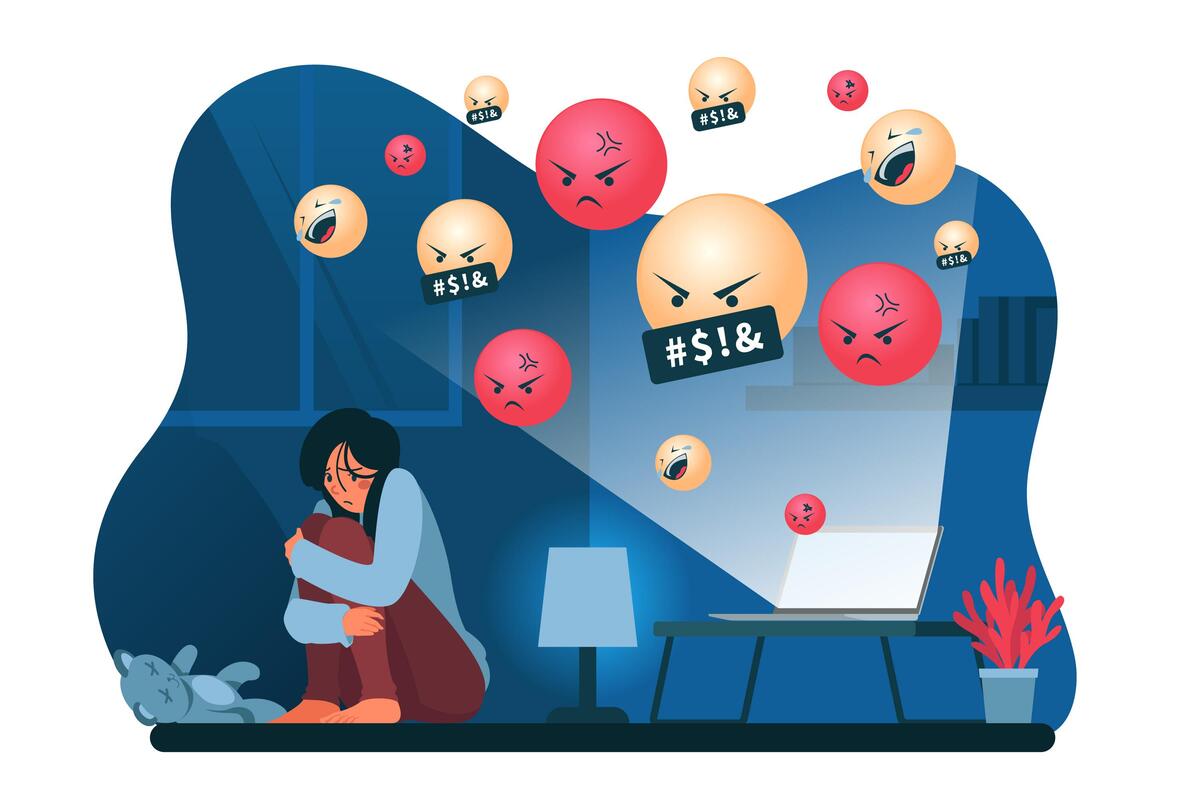
While the legal team is focused on avoiding a lawsuit or indictment, the communications team is focused on preserving trust and goodwill. A seasoned communications or reputation advisor will argue that speed and transparency are of the essence in a crisis. If something has gone wrong, stakeholders (whether they are fans, voters, customers, investors, or the general public) expect to hear directly and quickly from the person at the center of the storm. In plain terms, optics matter: you need to show that you take the issue seriously and aren’t running from it.
Rather than “no comment,” a good communicator will recommend at least a holding statement – even something as basic as “We are investigating this matter and will address all concerns” – to avoid the impression of a “reflexive cover-up”. If there truly is no solid information yet, acknowledging the situation and pledging to look into it is better than stonewalling. This gives the public some reassurance that you’re on top of it, not ducking it. In many cases, outright apologizing or admitting fault (when appropriate) is the most effective strategy to preserve reputation. Gone are the days when a public figure could hope a controversy would just blow over. Today, audiences demand some form of acknowledgement. In fact, research shows that despite living in what some call a “no apology era”, directly addressing wrongdoing remains the wisest move for leaders in a scandal.
Studies back this up powerfully. A 2024 academic study on political scandals tested various crisis responses (from stonewalling and deflection to apologizing or even confessing proactively) and found that apologizing or taking responsibility far outperformed silence or denial. Voters who saw a politician apologize (or “steal thunder” by revealing the bad news first) rated that politician as more trustworthy and were more likely to support them in the future. Those strategies also made people perceive less of a cover-up, whereas stonewalling fueled suspicion. The lead researcher, David Clementson, summed it up: “The best way to handle a scandal is to apologize and take corrective action after you’ve been caught”. In other words, honesty and accountability trump obfuscation. Even if an apology is imperfect, an attempt at transparency shows respect for the audience and can start to rebuild trust. On the flip side, if you refuse to acknowledge any wrongdoing or hide behind legalese, you virtually guarantee a longer-term reputation hit even if you survive the immediate crisis.
Another advantage communicators bring is understanding tone and emotion. Crises often carry a heavy emotional charge – anger, disappointment, fear. A pure legal statement full of careful denials and jargon can come across as cold, defensive, and tone-deaf to those emotions. As one reputation consultant observed, lawyers “spend their days talking to judges and citing precedents, not crafting carefully worded messages to irate customers or constituents”, so their statements tend to be riddled with legalese and miss the mark with a public audience. A communications expert, by contrast, will focus on empathy and the “human factor” – acknowledging people’s feelings and demonstrating that the person or company “understands the impact” and cares. This emotional intelligence in messaging can make a profound difference in how the response is received. If your response only aims to “not look guilty” in a legal sense, there’s a high chance you will look guilty or at least disingenuous in the court of public opinion. Ιf your only goal is not to look guilty, you could look cold and hurt your brand in the long run. Addressing the emotional dimension – showing empathy, regret, or determination to fix things – is something communicators are trained to do and lawyers typically are not.
To illustrate, think of how the public responds to a well-crafted apology versus a terse “we deny all wrongdoing” press release. The former might not erase anger overnight, but it often buys a measure of goodwill or at least patience (“at least they admitted it and said sorry”). The latter often just pours fuel on the fire (“they’re just issuing a non-denial denial and think we’re all fools”). Indeed, audiences are surprisingly forgiving of those who own up to mistakes, but harsh on those who “try to skirt the issues”. In crisis after crisis, taking responsibility early has helped salvage careers, whereas evasion has deepened the backlash.
Celebrity Crisis Case Study: The Lizzo Lesson

To see these dynamics in action, let’s examine a recent celebrity crisis that highlights the clash between legal and PR approaches. In August 2023, pop star Lizzo faced a highly publicized scandal when three of her former dancers filed a lawsuit accusing her of sexual harassment and creating a hostile work environment. The allegations – including claims of weight-shaming and inappropriate incidents on tour – threatened to badly tarnish Lizzo’s public image as a champion of positivity. How would she respond?
Just days after the lawsuit went public, Lizzo released a written statement on her Instagram. By most accounts, this statement took a very defensive tone. She denied all the allegations, calling the stories “sensationalized” and essentially accusing the accusers (her former employees) of lying or having ulterior motives. Crucially, she did not offer any apology or acknowledgment of anything that might have gone wrong from her side. From a legal standpoint, this approach is understandable; her lawyers likely wanted to assert innocence and avoid any admission of guilt. In fact, Lizzo’s statement was likely a “win” for her legal team because it maintained 100% deniability. By firmly rejecting the claims, Lizzo’s attorneys could later argue she never conceded any wrongdoing.
However, the PR impact of that statement was another story. Fans and the broader public did not react kindly to what they perceived as an evasive, blame-shifting response. In the weeks that followed, criticism of Lizzo intensified, and she experienced noticeable reputational damage – including being dropped from consideration for certain high-profile opportunities – despite no court verdict having been reached. The problem, as PR professionals saw it, was that Lizzo let the legal strategy dictate the messaging, and it backfired in the court of public opinion. In other words, by saying nothing except that the accusations were false, Lizzo may have minimized her liability in court, but she undermined the trust of many fans who expected some accountability or empathy.
This is a classic case of the lawyer vs. communicator tension. The lawyers’ priority (no admissions) took precedence, and as a result, the communication felt cold and self-interested. To many observers, this approach made Lizzo look like she was hiding something, even if that wasn’t the intent. It’s a vivid example of how a lawyer-driven crisis response can misfire with the public. A more communication-driven approach could have been to express concern about the allegations and the people involved (without explicitly admitting guilt), to promise a thorough review of the claims, or even to apologize broadly for any hurt feelings caused – without getting into legal specifics. Such an approach might have at least shown Lizzo’s audience that she took the matter seriously and cared about resolving it, rather than appearing to simply dismiss her accusers outright.
For contrast, consider another celebrity incident from the same period: actor Jamie Foxx was accused of making an antisemitic remark on social media. In his case, Foxx quickly issued an apology explaining the misunderstanding and expressing sincere regret. Crisis experts noted that Foxx’s apology was a success, helping defuse the backlash, whereas Lizzo’s non-apology “fell flat,” fueling more criticism. The comparison is telling: Foxx’s communicator-driven strategy of “own it, explain it, promise better” retained goodwill, while Lizzo’s lawyerly strategy of “deny and defend” hurt her brand.
Political Crises: Why Honesty Beats Silence
The same lesson holds in the political arena. Politicians in scandal often face the temptation to lawyer up and issue blanket denials or to deflect blame. In recent years, we’ve seen many public officials try to “ride it out” by saying little or shifting the conversation – but research and history suggest this is usually a mistake. Voters and constituents tend to respond better to leaders who face the music directly. The University of Georgia study mentioned earlier underscores this: politicians who either apologized or proactively disclosed their missteps fared significantly better in terms of public trust than those who stonewalled or stayed silent. Participants in that study perceived much less of a cover-up when a leader addressed the issue, whereas a “no comment” or changing the subject screamed cover-up and undermined support .
We can find real-world examples of both approaches. Recall former New York Governor Eliot Spitzer, who in 2008 was caught in a prostitution scandal. When the story broke, Spitzer famously stood before cameras, apologized to the public for his failings, and resigned from office swiftly. His political career indeed suffered a major blow, but his frank apology at least prevented a prolonged media circus and allowed him a measure of dignity in exit. By comparison, many other politicians who tried to lie or hide their transgressions ended up facing even greater consequences. (One could recall that it wasn’t the break-in that brought down President Nixon, but the Watergate cover-up that followed.) Interestingly, Spitzer’s successor as Governor, David Paterson, provided another instructive case: anticipating that rumors of past infidelities might surface, Paterson chose to preemptively confess those personal mistakes before taking office. That proactive transparency defused the issue largely, and he was able to govern without that scandal hanging overhead. As the research paper noted, both Spitzer’s apologetic approach and Paterson’s “stealing thunder” approach managed to effectively quell immediate media frenzy and did not prevent them from carrying out their duties in the short term.
The broader point is that in politics, as in business, honesty isn’t just the best policy – it’s the best strategy. Leaders who are forthcoming and accountable tend to maintain or regain public trust more successfully than those who hunker down behind lawyers and press secretaries issuing sterile denials.
Crisis Leadership by Design: The UpperComms Approach
Ultimately, the most effective crisis management happens when legal and communications work in tandem, but with communications strategy guiding the overall response. At UpperComms, this philosophy is core to how we handle crises for our clients. We believe that protecting your reputation is as important as protecting your legal position – and in fact, they’re interconnected.
Interested in how strategic communications can fortify your reputation? Feel free to reach out to UpperComms to explore how our crisis communication systems can support you – before, during, and after the storm.